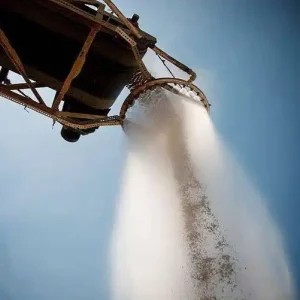

In 2023, the U.S. Occupational Safety and Health Administration (OSHA) announced new rules regarding Respirable Crystalline Silica (RCS) dust emissions, marking a major adjustment to how to address the top silica dust exposure hazards in the workplace from ports to mines to construction sites.[1] This quickly follows a similar announcement by the U.S. Mining Safety and Health Administration (MSHA) Chief of Health, Gregory Meikle, regarding rules changes in mines, quarries, and mineral extraction. Both concluded that an integral part of controlling RCS emissions is the “Implementation of properly designed wet spray systems.” [2]
MSHA committed to reviewing silica regulations in response to requests from generations of miners in West Virginia suffering from “Black Lung” (aka silicosis or pneumoconiosis). OSHA’s reaction to MSHA’s findings shows that chronic disease caused by RCS is not just an old disease from the industrial revolution. It is an ongoing health issue that weaves across the entire bulk handling industry and, according to OSHA, can also cause other chronic health issues such as COPD, kidney disease, and lung cancer. [3] The organization estimates that 2.3 million workers are exposed to silica dust annually.
Why is RCS so pervasive? Because 97% of the earth’s crust contains some silica and the substance alone constitutes 26% of the earth’s crust by weight. [4] Although it is represented in high concentrations in coal mines, it also is present in limestone, clay, slate, sand, etc. These substances are found in the building blocks of society from concrete to microchips, and as the table below shows, there is no industry that is untouched by these new rules.